

What Is Suhoor and Iftar? Traditions, Meaning & Cultural Practices During Ramadan
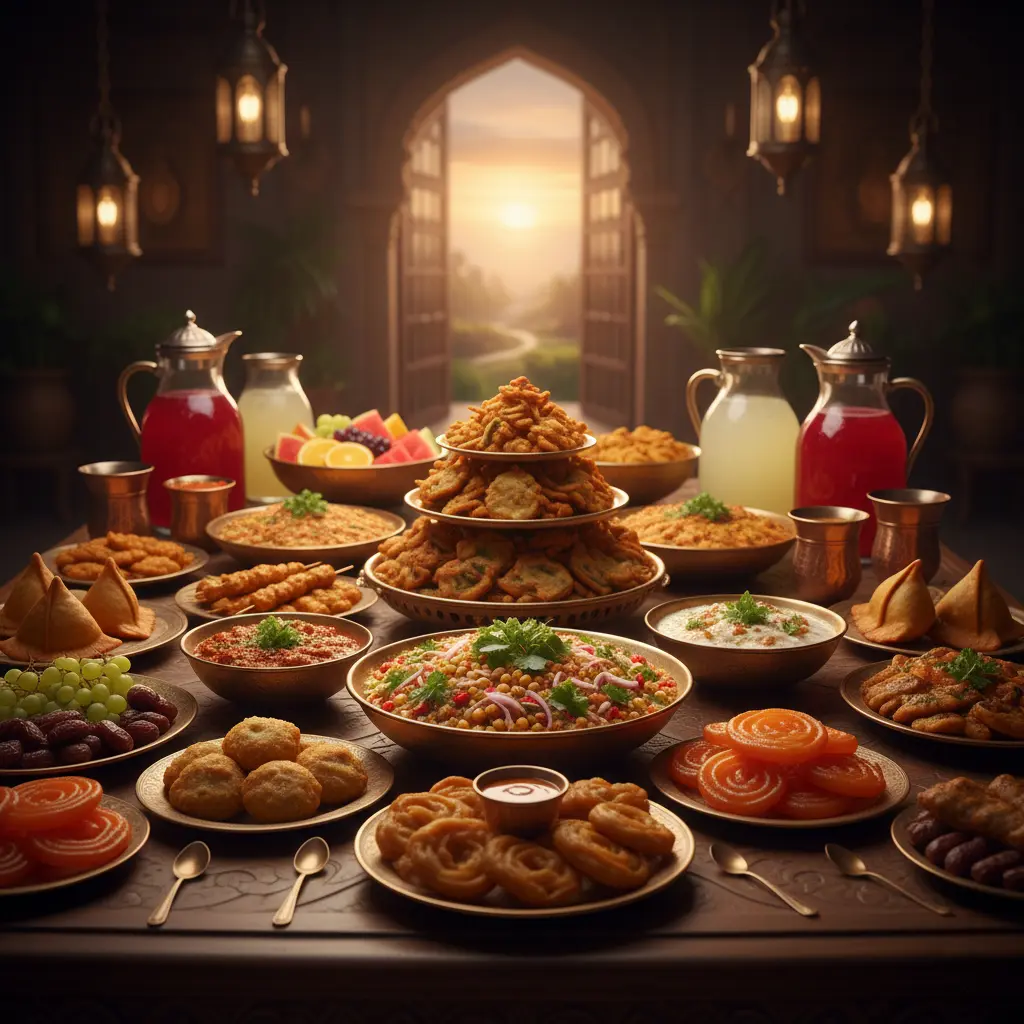
Ramadan is a month defined not only by fasting, but by rhythm. Each day begins with Suhoor and ends with Iftar. These two meals shape the spiritual, physical, and social experience of Ramadan for millions around the world. Understanding Suhoor and Iftar helps you appreciate the deeper structure of the holy month, beyond hunger and beyond routine. This guide explains their meaning, traditions, timing, foods, and global variations.
What Is Suhoor?
Suhoor (also spelled Suhur or Sehri) is the pre-dawn meal eaten before the fast begins at Fajr (dawn prayer). It marks the beginning of the daily fast.
Why Suhoor Matters Spiritually
Suhoor is not just about nutrition.
It represents:
- Intention (niyyah) for fasting
- Discipline before sunrise
- Quiet reflection
- A calm spiritual beginning
Many people describe Suhoor as one of the most peaceful moments of Ramadan. The world is silent. The mind is clearer. Intentions feel stronger. Waking up early trains consistency, a core spiritual theme of Ramadan.
What Is Iftar?
Iftar is the meal that breaks the fast at sunset (Maghrib).
It is both:
- A physical relief
- A spiritual celebration
The fast is traditionally broken with dates and water before the main meal. Iftar represents gratitude. After hours of restraint, food becomes a reminder, not a habit.
The Spiritual Meaning Behind Suhoor & Iftar
Suhoor and Iftar create balance.
Suhoor = Discipline
Iftar = Gratitude
Suhoor teaches preparation.
Iftar teaches appreciation.
Together, they reinforce:
- Patience
- Self-control
- Mindfulness
- Generosity
They structure the day around awareness rather than impulse.
Traditional Suhoor Foods Around the World
Suhoor foods are designed for energy and hydration.
Common choices include:
Middle East:
- Yogurt
- Dates
- Eggs
- Flatbread
- Olives
- South Asia:
- Paratha
- Lentils
- Rice dishes
- Tea
Turkey:
- Cheese
- Bread
- Honey
- Soups
Southeast Asia:
- Rice porridge
- Coconut-based dishes
- The focus is usually on:
- Slow-digesting foods
- Hydrating ingredients
- Balanced nutrition
Heavy or salty foods are often avoided because they increase thirst.
Traditional Iftar Foods Around the World
Iftar is often more celebratory.
Common global traditions include:
Middle East:
- Dates
- Lentil soup
- Samosas
- Grilled meats
ُPakistan:
- Pakoras
- Fruit chaat
- Biryani
- Rooh Afza drinks
North Africa:
- Harira soup
- Bread with honey
- Pastries
Turkey:
- Pide bread
- Stuffed vegetables
- Baklava
Iftar meals are often shared with:
- Family
- Neighbors
- Community
- Mosque gatherings
Hospitality is central to Iftar culture.
Social Traditions Around Iftar
Iftar is not only about eating.
It often includes:
- Community dinners at mosques
- Charity meals for the less fortunate
- Family reunions
- Invitations to friends
In many cultures, preparing for Iftar includes:
- Cleaning the home
- Wearing fresh clothes
- Creating a welcoming atmosphere
Presentation matters because Iftar is communal.
Timing of Suhoor and Iftar
Suhoor ends at dawn (Fajr).
Iftar begins at sunset (Maghrib).
Timings change daily throughout Ramadan.
This daily shift trains adaptability and awareness of natural cycles.
Ramadan reconnects people to:
- The sky
- Time
- Light
- Nature
The Emotional Experience of Iftar
The moment of Iftar is powerful.
There is:
- Silence before the call to prayer
- Relief after the first sip of water
- Gratitude after the first bite
Many describe it as one of the most spiritually emotional moments of the day.
It teaches appreciation for small things.
Modern Lifestyle & Suhoor/Iftar
In today’s fast-paced world, Suhoor and Iftar also reflect lifestyle balance.
People plan:
- Work schedules
- Family time
- Prayer routines
- Social visits
Many also prepare themselves before Iftar gatherings, dressing neatly, practicing hygiene, and presenting themselves respectfully. In many cultures, wearing a subtle and welcoming fragrance before Iftar is part of hospitality and personal refinement, especially when attending family gatherings or mosque dinners. A light oud, soft musk, or fresh citrus scent can complement the evening atmosphere without overpowering it. Fragrance becomes part of preparation, not decoration.
FAQs
1. Is Suhoor mandatory?
It is highly recommended but not mandatory. However, it helps with energy and spiritual intention.
2. What is traditionally eaten first at Iftar?
Dates and water are commonly used to break the fast.
3. Can I skip Suhoor?
It is possible, but it may make fasting more difficult physically.
4. Why are dates important in Iftar?
Dates provide quick natural energy and are deeply rooted in tradition.
Final Thoughts
Suhoor and Iftar are not simply meals.
They are anchors.
They create structure in Ramadan.
They shape discipline and gratitude.
They bring families together.
They create emotional memories.
When approached mindfully, they turn daily routine into spiritual rhythm. And as Ramadan evenings transition into social gatherings and Eid preparation, the atmosphere shifts from reflection to celebration — where hospitality, presence, and personal refinement become part of the experience. If you’re preparing for meaningful Iftar evenings or upcoming Eid gatherings, explore Elodora’s Ramadan-inspired fragrance collection designed for warm nights, family visits, and special occasions.


